Stop Sending Decks Over Email: A Better Way to Share With Investors
Last updated Feb 28, 2026 · 5 min read
Email attachments are killing your fundraise. Here's why smart founders are switching to data rooms, and how it changes everything.
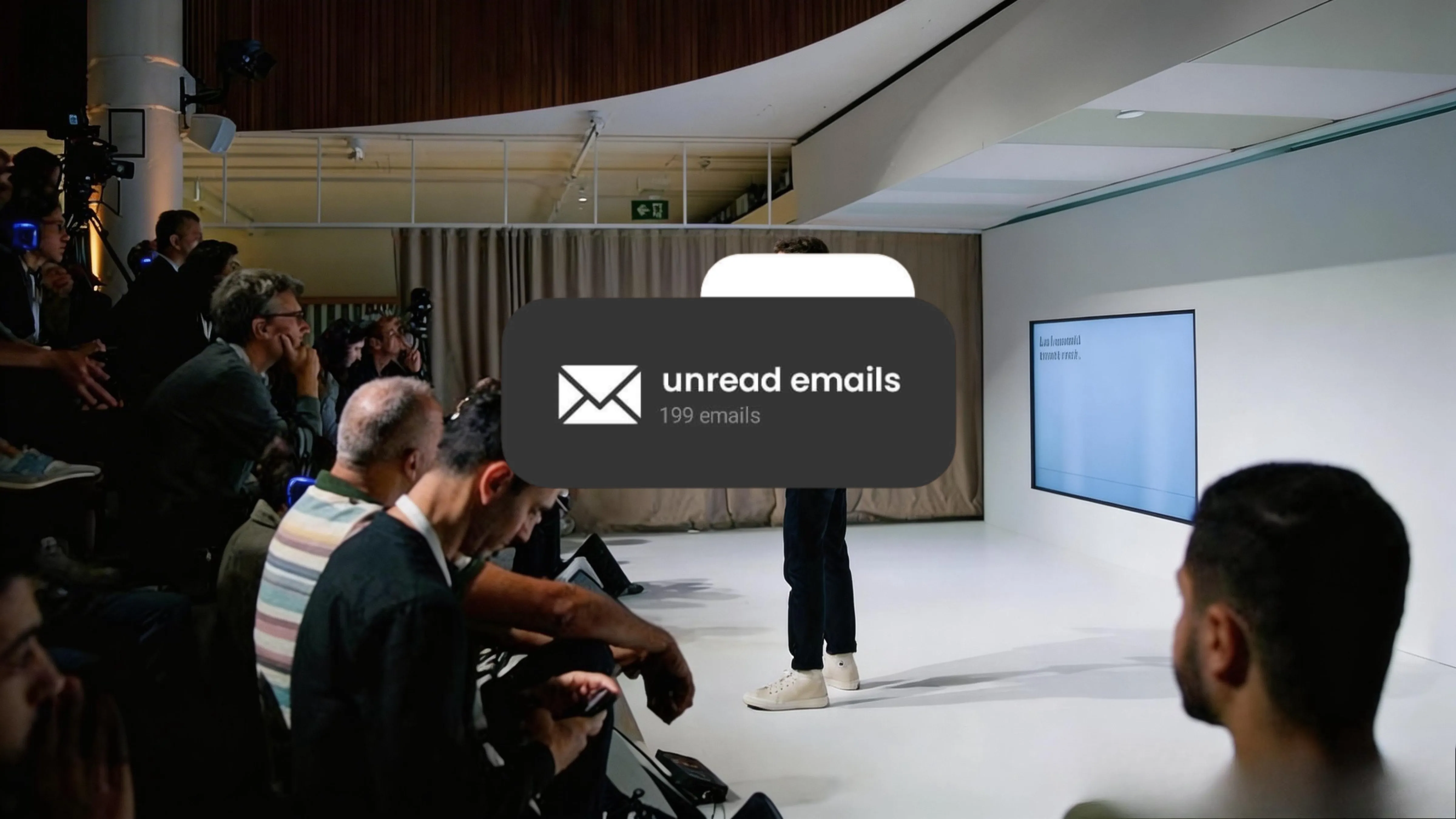
Let's talk about the most common mistake in fundraising. It's not a bad pitch. It's not bad timing. It's not even the wrong investors.
It's sending your pitch deck as an email attachment.
Every time you attach a PDF to an email and hit send, you lose control of your fundraise. And most founders don't even realize it.
The problem with email attachments
You have zero visibility. Did the investor open it? Did they read past slide 3? Did they share it with their partner? You have no idea. You're sending the most important document of your fundraise into a black hole.
Version control is a nightmare. You update your deck after a great customer win. But 12 investors already have the old version. Some have forwarded it to colleagues. Now there are multiple versions floating around, and you can't update any of them.
No security. That email can be forwarded to anyone: competitors, other investors, journalists. You have zero control over who sees your confidential information once it leaves your outbox.
It screams "amateur." Harsh, but true. Professional fundraisers (the ones who've raised before) don't send attachments. They send links. It's a subtle signal that matters more than you think.
You can't answer questions. An investor opens your deck at 10pm, sees something interesting, and has a question. They could email you... but they won't. They'll make a mental note, forget about it, and you'll never know they were interested.
What smart founders do instead
They use a data room. Not a Google Drive folder. Not a Dropbox link. A proper data room that's purpose-built for fundraising.
Here's why it changes everything:
1. You know exactly who's interested
A good data room shows you who opened what, when, for how long, and how many times they came back. This is game-changing information.
When you see that a partner at a VC opened your deck at 9am, spent 8 minutes on it, then came back at 3pm and looked at your financial model for 15 minutes, you know they're interested. You don't have to guess. You don't have to send a "just following up!" email. You know.
2. One link, always current
When you update your deck, every investor who has your link sees the new version. No resending, no "please disregard the previous attachment." Update once, and it's live everywhere.
3. Questions get answered instantly
AI-powered data rooms take this further. An investor can ask questions directly in the data room: "What's your current MRR?" or "How does your pricing work?" The AI answers immediately, pulling from your actual documents. The investor gets their answer at midnight. You wake up to a notification that someone was deeply engaged with your materials.
4. Your documents are secure
You control who has access. You can revoke access. You can see if someone forwarded the link. You can watermark documents. If an investor passes, you can disable their access so your confidential information doesn't live in their inbox forever.
5. It tells a story
An email attachment is a dead object. A data room is an experience. You can organize your information to tell a story: start with the vision, move to the traction, then the financials, then the team. Guide the investor through your narrative instead of just throwing documents at them.
"But investors want email attachments"
No, they don't. They want easy access to information. If you send them a clean link that opens instantly, loads fast, and has everything organized, they'll prefer it every time.
The only investors who insist on email attachments are the ones who haven't updated their process. And do you really want investors who are stuck in 2015?
How to make the switch
Step 1: Set up your data room with your key documents: pitch deck, executive summary, financial model, key metrics, and cap table.
Step 2: Organize it logically. The pitch deck should be front and center. Supporting documents should be easy to find but not overwhelming.
Step 3: When an investor asks for your deck, send them the data room link instead. A simple message: "Here's our data room with the deck and some additional materials. Let me know if you have any questions."
Step 4: Watch the analytics. See who's engaging, what they're looking at, and when. Use this data to prioritize your follow-ups.
Step 5: Never send another email attachment again.
The numbers don't lie
Founders who use data rooms instead of email attachments:
- Get 3x more engagement from investors (because the experience is better)
- Close rounds 40% faster (because there's less back-and-forth)
- Have 5x better follow-up conversations (because they know what the investor is interested in)
These aren't just numbers. They represent weeks saved during your raise. Weeks you could spend building your product, serving customers, and growing your team.
Start today
The next time an investor asks for your deck, don't reach for the attachment button. Share a link to your data room. You'll look more professional, you'll have better data, and you'll close your round faster.
Your deck deserves better than an email attachment. And so does your fundraise.